
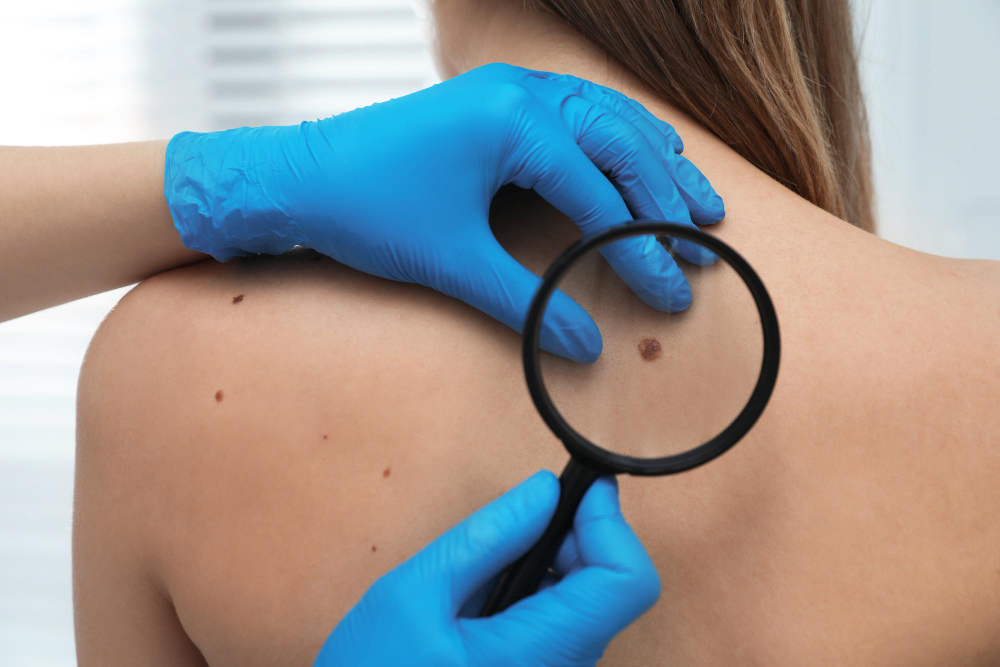
What Are Warts?
Warts are small, rough bumps that grow on the skin. They can appear anywhere on the body. Most often, warts show up on the hands or feet. These growths are not cancer. Instead, they are caused by a virus called human papillomavirus (HPV). Because warts are common, many people will have at least one during their life. Although warts are usually harmless, they can be bothersome or embarrassing. For this reason, many people seek dermatologist wart treatment.
Common Causes of Warts
Warts develop when the HPV virus enters the skin. Usually, this happens through a small cut or scratch. Once inside, the virus causes the skin to grow faster than normal. As a result, a wart forms. Some people are more likely to get warts than others. For example, children and people with weak immune systems have a higher risk. Additionally, touching surfaces in public places, like locker rooms, may increase your chances. According to the CDC, there are over 100 types of HPV that can cause warts.
How Warts Spread
Warts are contagious. This means they can spread from person to person. However, not everyone who comes in contact with HPV will get warts. The virus spreads in several ways:
Because warts spread easily, it is important to avoid sharing personal items. In addition, keeping skin clean and dry can help lower the risk.
Types of Warts
There are several types of warts in adults and children. Each type looks a little different. For example, some warts are flat, while others are raised. Here are the most common types:
Because each type of wart may need a different treatment, it is helpful to know which kind you have.
Symptoms and When to See a Dermatologist
Warts can look different depending on their type. However, most warts share some common signs:
Sometimes, warts can hurt, bleed, or grow quickly. If a wart changes shape or color, or if you have many warts, it is wise to see a dermatologist. Additionally, people with diabetes or weak immune systems should seek care for any new skin growths. Early treatment can help prevent warts from spreading.
Diagnosis of Warts
Doctors usually diagnose warts by looking at the skin. In most cases, no special tests are needed. However, sometimes a dermatologist may gently scrape the top of the wart. This helps them see the tiny black dots inside. In rare cases, a small piece of the wart may be removed and checked under a microscope. This step helps rule out other skin problems. Because warts can look like other growths, a proper diagnosis is important.
Dermatologist-Recommended Treatments for Warts
Dermatologist wart treatment depends on the type and location of the wart. Some warts go away on their own, but others may need help. Here are common treatments dermatologists use:
Because some treatments can cause discomfort, your dermatologist will help choose the best option for you.
At-Home Care and Prevention Tips
Although dermatologist wart treatment is effective, you can also take steps at home. Here are some tips for at-home care and how to prevent warts:
Because warts spread easily, these steps can help protect you and others. If you are unsure about a skin growth, always ask a dermatologist for advice. Following these tips can reduce your risk and help you learn how to prevent warts in daily life.