
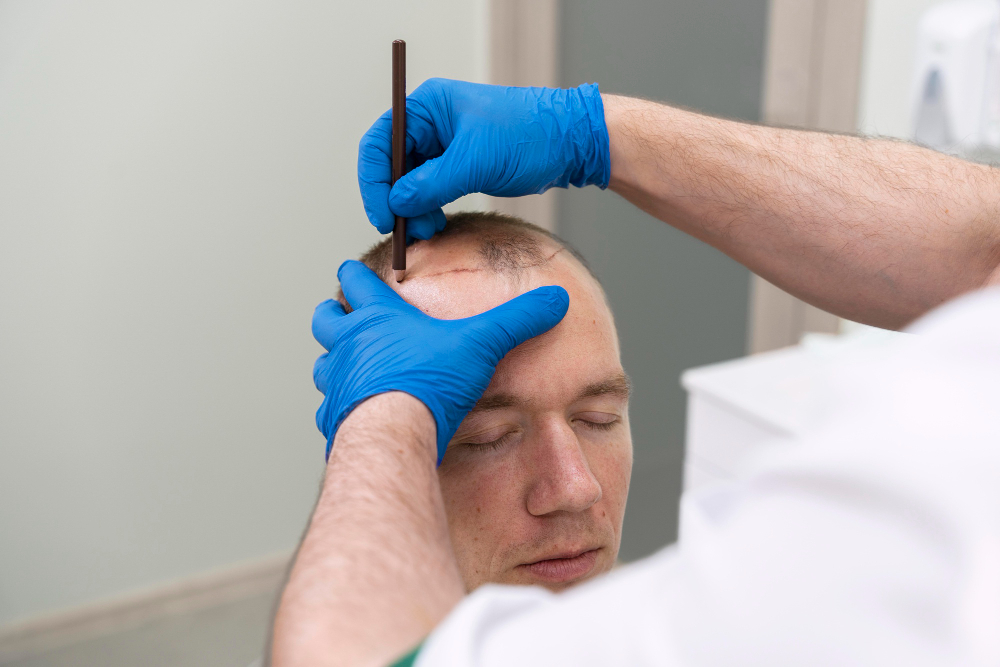
Introduction: Understanding Hair Transplantation
Hair transplantation is a medical procedure that moves hair from one part of the body to areas with thinning or no hair. Today, many people are choosing this option to restore their hair. The importance of hair transplantation is growing as more people seek natural-looking results. Not only does it help with appearance, but it also boosts confidence. Because hair loss can affect anyone, understanding this treatment is helpful for many.
Benefits of Hair Transplantation
There are several reasons why people consider hair transplantation. For example, it offers both physical and emotional benefits. Below are some key advantages:
Moreover, studies show that hair restoration can improve quality of life. According to the American Academy of Dermatology, many patients report higher self-esteem after treatment.
Who Can Benefit from Hair Transplantation?
Not everyone is a good candidate for hair transplantation. However, many people with hair loss can benefit. Ideal candidates include:
Additionally, common causes of hair loss include genetics, aging, stress, and certain medical conditions. If you are unsure, a hair restoration specialist can help decide if this treatment is right for you.
The Hair Transplant Procedure: What Happens?
The hair transplant procedure is usually done in a clinic. First, the doctor numbs the area. Then, they take healthy hair from a donor area, often the back of the head. Next, they carefully place these hairs into the thinning or bald spots. There are two main methods:
Both methods aim to give natural-looking results. The choice depends on your needs and the doctor’s advice.
Recovery and Results: What to Expect
After the procedure, you may notice some swelling or mild discomfort. However, most people return to normal activities within a few days. It is important to follow your doctor’s care instructions. New hair usually starts to grow within three to four months. Full results often appear after six to twelve months. Because the transplanted hair is your own, it will grow naturally and can be cut or styled as usual.
Risks and Considerations
Like any medical procedure, hair transplantation has some risks. For instance, you might experience:
However, these side effects are usually mild and temporary. Choosing a certified and experienced doctor greatly reduces risks. The World Health Organization recommends seeking care from trained professionals for all cosmetic procedures.
Prevention and Maintenance: Keeping Your Results
After a hair transplant, you can take steps to keep your hair healthy. For example:
Additionally, regular check-ups with your hair restoration specialist can help maintain your results.
Conclusion
In summary, hair transplantation offers a safe and effective way to restore hair. It provides lasting benefits for appearance and self-esteem. While the procedure is generally safe, it is important to choose a skilled doctor and follow care instructions. If you are considering hair restoration, consult a certified cosmetologist or hair restoration specialist for personalized advice.