
Introduction
When it comes to glowing skin, many people wonder about Medical Facials vs Salon Facials. Both options promise smoother, brighter skin. However, they are not the same. In this blog, we will compare these professional facial treatments. You will learn about their differences, benefits, risks, and how to choose the best option for your skin health.
What Are Medical Facials?
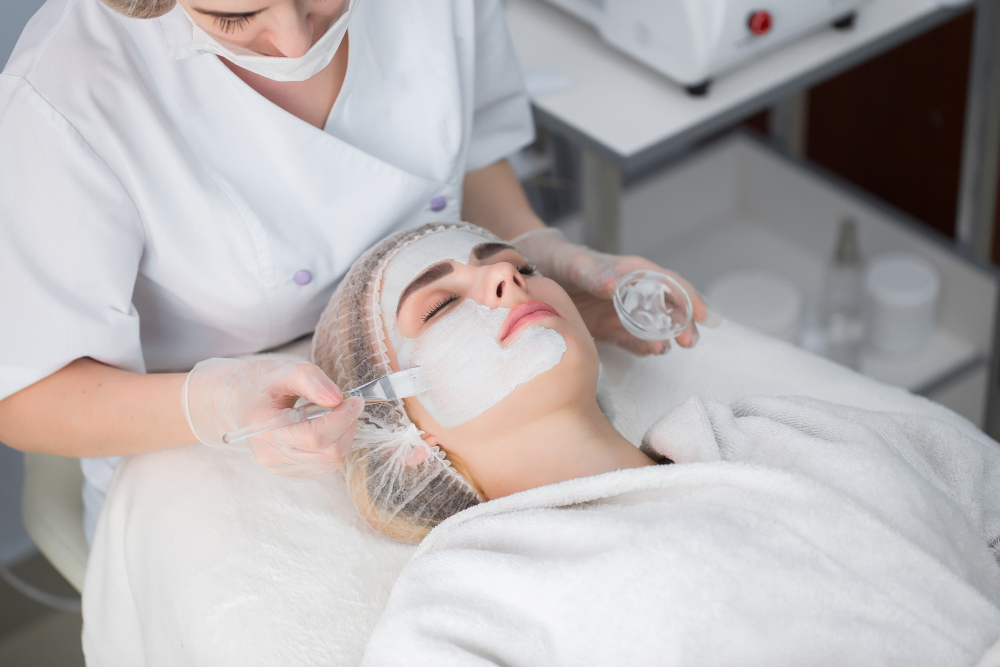
Medical facials are advanced skin treatments. A licensed dermatologist or trained medical professional performs them. Unlike regular facials, these use medical-grade products and tools. For example, they may include chemical peels, microdermabrasion, or laser therapy. Because of this, medical facials target deeper skin issues like acne, pigmentation, or early signs of aging. Usually, these facials take place in a clinic or medical spa. The process often starts with a skin analysis. Then, the professional customizes the treatment for your needs. Safety and hygiene are top priorities during medical facials.
What Are Salon Facials?
Salon facials are beauty treatments done in spas or beauty salons. A trained beautician or esthetician usually performs them. These facials use cosmetic products and gentle techniques. For instance, they may include cleansing, exfoliation, steaming, and a relaxing massage. Salon facials focus on surface-level care. They aim to refresh, hydrate, and relax your skin. While they can improve your glow, they do not treat deeper skin problems. Still, many people enjoy them for their soothing effects and pampering experience.
Key Differences Between Medical and Salon Facials
Benefits and Risks of Each Type
Medical Facials
Salon Facials
Who Should Choose Medical Facials?
If you have skin concerns like acne, dark spots, or early wrinkles, medical facials may help. People with sensitive or allergy-prone skin should also consider medical facials. This is because a dermatologist can customize the treatment. Additionally, if you want safe facial options for skin health, medical facials are a good choice. Always check that your provider is certified and experienced.
Who Should Choose Salon Facials?
Salon facials are great for those who want to relax and refresh their skin. If you have normal or dry skin and no major issues, a salon facial can boost your glow. Many people enjoy them before special events. However, if you have ongoing skin problems, talk to a dermatologist first. This way, you avoid unwanted reactions.
How to Decide: Factors to Consider
Prevention and Aftercare Tips
Conclusion
Both medical facials and salon facials have their place in skincare. However, your choice depends on your skin needs, goals, and budget. For deep treatment and safety, medical facials are best. For relaxation and a quick glow, salon facials work well. In any case, consult a certified dermatologist or skincare professional to choose the best facial treatment for your skin needs.