
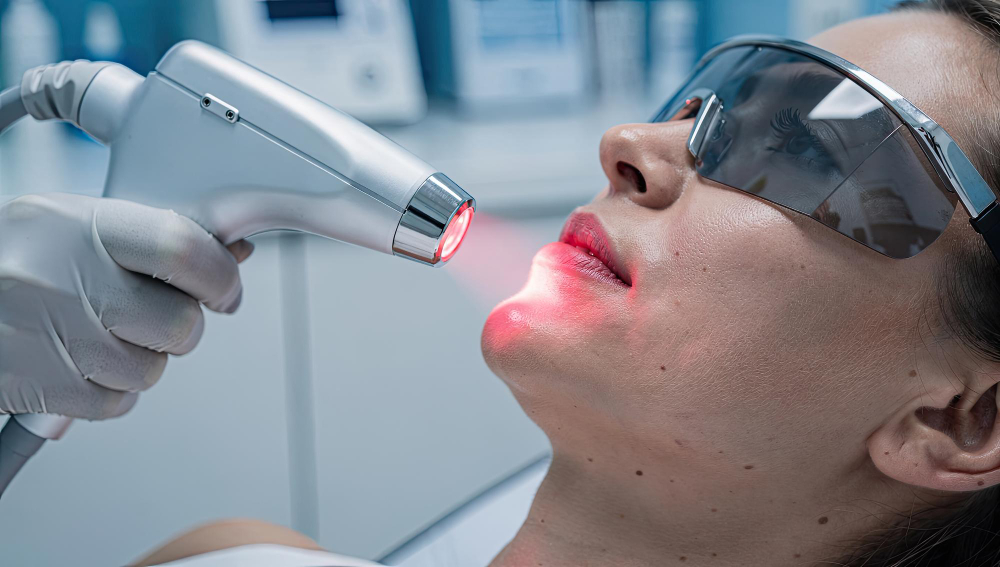
What Is Laser Skin Resurfacing?
Laser skin resurfacing for acne scars and pigmentation is a popular treatment. It uses focused beams of light to improve skin texture and tone. Many people choose this option to reduce scars and dark spots. In fact, doctors use lasers to remove damaged skin layers. As a result, new, smoother skin appears. This treatment is often done in clinics by trained professionals.
How Laser Skin Resurfacing Helps with Acne Scars and Pigmentation
Laser skin resurfacing can target both acne scars and pigmentation. For example, it breaks down scar tissue and encourages new skin growth. Additionally, it fades dark spots by removing extra pigment. Over time, your skin looks clearer and more even. Most people see a big change after a few sessions. However, results may vary based on your skin type and the severity of scars.
Types of Lasers Used
There are different types of lasers for skin resurfacing. Each type works in a unique way. Some common options include:
Your doctor will choose the best laser for your needs.
Benefits and Expected Results
Laser skin resurfacing offers many benefits. For instance, it can:
Most people notice results after one to three sessions. However, deeper scars may need more treatments. While results are not instant, your skin will improve over weeks as it heals.
Step-by-Step Procedure Overview
Laser skin resurfacing is usually done in a clinic. Here is what you can expect:
Most people go home the same day. Your doctor will give you aftercare instructions.
Safety, Risks, and Side Effects
Laser skin resurfacing is generally safe when done by a certified professional. Still, there are some risks. For example, you may experience:
To reduce risks, always follow your doctor’s advice. According to the American Academy of Dermatology, side effects are usually mild and go away within a few days to weeks.
Recovery and Aftercare Tips
Proper care after laser treatment is important. Here are some tips to help your skin heal:
Most people recover within one to two weeks. However, deeper treatments may take longer.
Who Is an Ideal Candidate?
Not everyone is a good fit for laser skin resurfacing. You may be an ideal candidate if you:
However, people with very dark skin or certain medical conditions may need other options. Always discuss your health history with your doctor first.
Prevention and Lifestyle Guidance
Even after laser treatment, you can take steps to prevent new scars or spots. For example:
These habits help keep your skin healthy and clear.
Conclusion
Laser skin resurfacing for acne scars and pigmentation can improve your skin’s look and feel. While the procedure is safe for most people, it is important to choose a certified dermatologist. For the best results, follow all aftercare steps and maintain healthy habits. Consult a certified dermatologist for personalized advice on laser skin resurfacing.