
Introduction
Many people notice changes in their skin during stressful times. Stress & Skin: How Cortisol Triggers Acne and Aging is a topic that affects almost everyone. When you feel stressed, your body releases a hormone called cortisol. This hormone can cause acne and speed up skin aging. In this blog, you will learn how stress and cortisol affect your skin, and what you can do to protect it.
What is Cortisol?
Cortisol is a hormone made by your adrenal glands. It helps your body respond to stress. When you feel worried or anxious, your body makes more cortisol. Although cortisol is important, too much of it can harm your skin. For example, high cortisol levels can lead to breakouts and dull skin. According to the World Health Organization (WHO), stress hormones like cortisol can affect many parts of your body, including your skin.
How Stress Impacts Skin Health
Stress affects your skin in many ways. First, it can make your skin more sensitive. Second, stress can slow down healing. Third, it may cause flare-ups of skin problems. For instance, people with eczema or psoriasis often notice worse symptoms during stressful times. In addition, stress can make your skin oily or dry. Over time, these changes can lead to more skin issues.
The Role of Cortisol in Triggering Acne
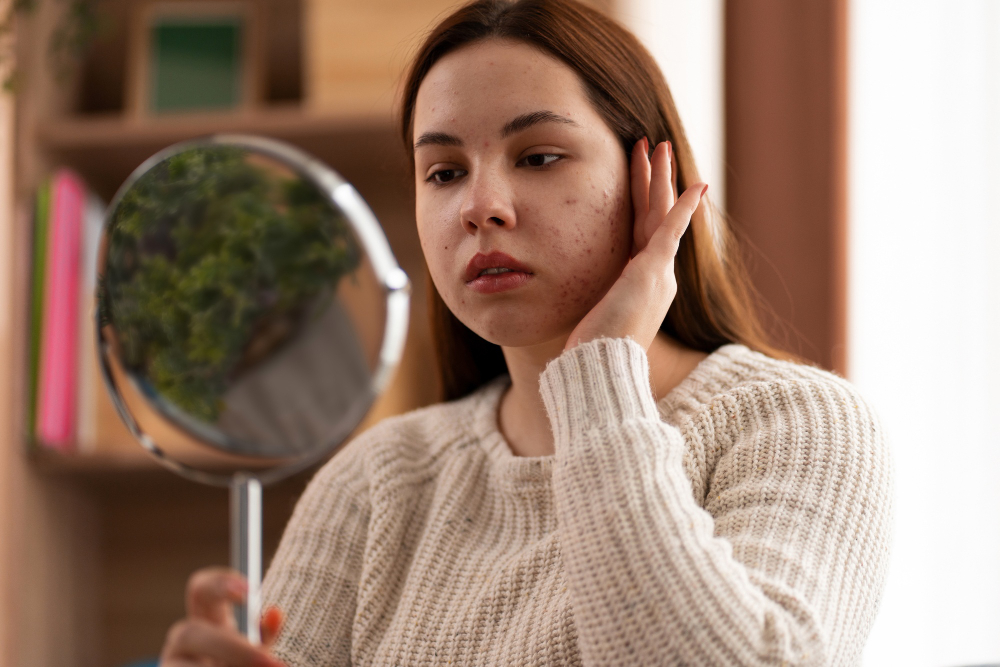
Cortisol plays a big part in stress and acne. When cortisol levels rise, your skin makes more oil. This extra oil can clog pores and cause pimples. Also, stress can make you touch your face more often, which spreads bacteria. As a result, you may notice more breakouts when you are stressed. Studies in medical journals show a clear link between stress, cortisol, and acne.
Cortisol and Skin Aging: Wrinkles, Elasticity, and Texture
Besides causing acne, cortisol can speed up skin aging. High cortisol levels break down collagen, which keeps your skin firm. Without enough collagen, your skin may develop wrinkles sooner. Moreover, your skin can lose its bounce and smooth texture. Over time, you may see more fine lines and sagging. Therefore, keeping stress under control can help your skin look younger for longer.
Recognizing the Signs: Symptoms of Stress-Related Skin Issues
It is important to notice signs of stress-related skin problems. Some common symptoms include:
If you see these changes, stress may be affecting your skin.
Diagnosis: When to Seek Medical Advice
Sometimes, stress-related skin issues need a doctor’s help. For example, if your acne is severe or not improving, you should see a dermatologist. Also, if you notice sudden changes in your skin, it is wise to get checked. Early advice can prevent problems from getting worse. According to the Centers for Disease Control and Prevention (CDC), seeing a doctor early can help you find the best treatment.
Treatment and Management: Reducing Stress for Healthier Skin
Managing stress is key to healthy skin. Here are some ways to reduce stress and lower cortisol:
Sometimes, your doctor may suggest creams or medicines for skin problems. However, lowering stress is often the first step.
Lifestyle Tips: Daily Habits to Lower Cortisol and Protect Your Skin
Simple daily habits can help reduce cortisol for clear skin. For example:
In some cities, local skin care tips may include using sunscreen or avoiding pollution. Always choose what works best for your skin type.
Prevention: How to Minimize Stress-Induced Skin Problems
Preventing stress-related skin issues is possible. First, learn to spot early signs of stress. Next, use stress-busting techniques every day. Also, keep your skin clean and moisturized. Finally, do not pick or squeeze pimples, as this can make things worse. With these steps, you can protect your skin from the effects of stress and cortisol.
If you notice stress-related skin changes, consult a dermatologist for personalized advice.