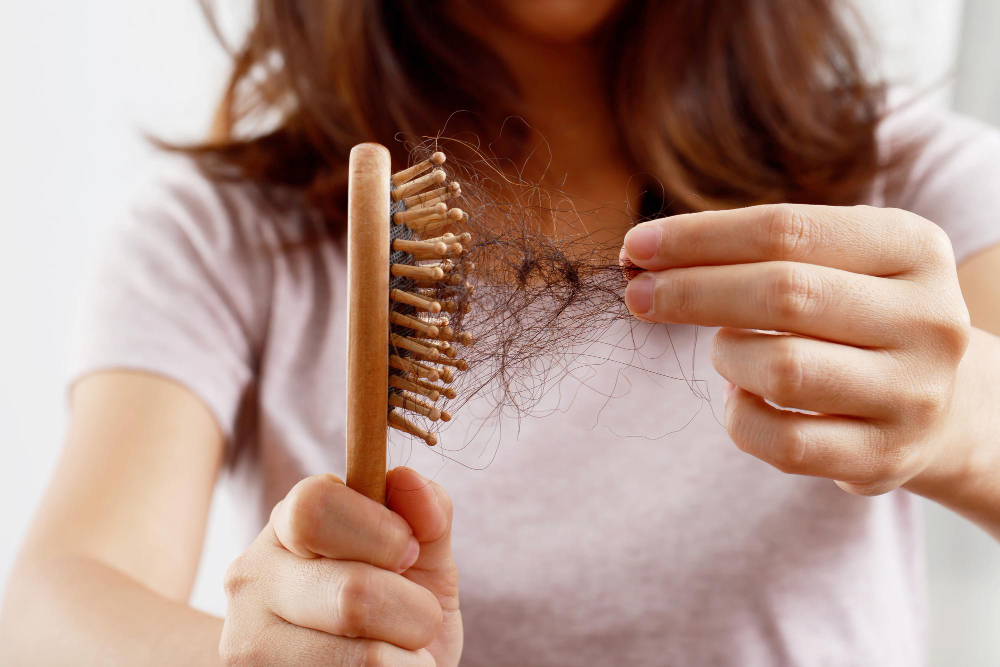
What Is Hair Loss in Women?
Hair loss in women is a common concern. Many women notice thinning hair or bald spots at some point. Sometimes, hair falls out in patches. Other times, it thins slowly across the scalp. While hair loss is often linked to aging, it can affect women of all ages. For many, this change can feel upsetting. However, understanding the reasons behind it can help you find the right support.
Female pattern hair loss is the most common type. It usually causes thinning on the top and crown of the head. Unlike men, women rarely go fully bald. Instead, they may see a widening part or less volume. Although hair loss in women is not always permanent, early care can make a difference.
Common Causes of Hair Loss in Women
Several factors can lead to hair loss in women. Knowing these causes can help you and your doctor find the best treatment. For example, some causes are temporary, while others may be ongoing.
Genetics: Female pattern hair loss often runs in families. If your mother or grandmother had thinning hair, you may too.
Hormonal changes: Pregnancy, menopause, and thyroid problems can trigger hair loss. Hormones play a big role in hair growth cycles.
Stress: High stress can push hair into a resting phase. As a result, more hair falls out than usual.
Medical conditions: Diseases like lupus, anemia, and polycystic ovary syndrome (PCOS) can cause hair thinning.
Medications: Some drugs for blood pressure, cancer, or depression may lead to hair loss as a side effect.
Hairstyles and treatments: Tight ponytails, braids, or harsh chemicals can damage hair roots. Over time, this may cause hair to thin.
Poor nutrition: Not getting enough iron, protein, or vitamins can weaken hair.
Because many factors can overlap, it is important to look at your overall health and habits.
How Hair Loss in Women Is Diagnosed
Doctors use several steps to diagnose hair loss in women. First, they ask about your health, family history, and hair care routine. Then, they examine your scalp and hair closely. This helps them spot patterns or signs of damage.
In addition, doctors may use these tests:
Blood tests: These check for thyroid problems, anemia, or low iron.
Scalp biopsy: A small piece of scalp is taken and checked under a microscope. This can show if a disease is causing hair loss.
Pull test: The doctor gently pulls on hair to see how many strands come out. This can help find out how active the hair loss is.
Sometimes, more tests are needed to rule out rare causes. Early diagnosis can help guide the best treatment for women’s hair thinning.
Modern Treatment Approaches for Hair Loss in Women
Today, several treatments can help manage hair loss in women. The right choice depends on the cause and type of hair loss. Many women see improvement with a mix of therapies.
Topical treatments: Minoxidil is a common solution applied to the scalp. It can slow hair loss and boost regrowth. The FDA has approved it for female pattern hair loss.
Oral medications: Some doctors may suggest pills like spironolactone or finasteride. These help balance hormones that affect hair growth.
Procedures: Platelet-rich plasma (PRP) therapy uses your own blood to help hair grow. In this treatment, doctors inject plasma into the scalp. Hair transplants are another option for some women.
Laser therapy: Low-level laser devices can help stimulate hair growth. These are often used at home or in clinics.
Emerging therapies: New treatments, like microneedling and stem cell therapy, are being studied. Early results are promising, but more research is needed. According to the American Academy of Dermatology, these options may become more common in the future.
Because each person is unique, it is important to talk with a healthcare provider about the best plan for you.
Lifestyle Tips to Support Healthy Hair
Simple changes can help keep your hair strong. While these tips may not cure hair loss, they support overall hair health. For example, gentle care can prevent extra breakage.
Use a mild shampoo and conditioner suited for your hair type.
Limit heat styling tools, such as flat irons and curling wands.
Let your hair air dry when possible.
Eat a balanced diet rich in iron, protein, and vitamins.
Brush gently to avoid pulling out hair.
Try to manage stress with exercise, meditation, or hobbies.
Protect your hair from sun and harsh weather by wearing a hat.
Because healthy habits support your scalp, they can also help prevent future hair thinning.
Preventing Hair Loss in Women
While not all hair loss can be stopped, some steps may lower your risk. Prevention focuses on caring for both your hair and your health.
Avoid tight hairstyles that pull on the roots, such as braids or ponytails.
Limit chemical treatments, like bleaching or perming.
Get regular check-ups to catch health issues early.
Address any scalp problems, such as dandruff, right away.
Stay hydrated and eat a variety of healthy foods.
Talk to your doctor before starting new medications if you have concerns about hair loss.
Because early action can make a difference, staying aware of changes in your hair is important. The World Health Organization and other experts recommend regular self-checks and healthy habits to support hair wellness.