
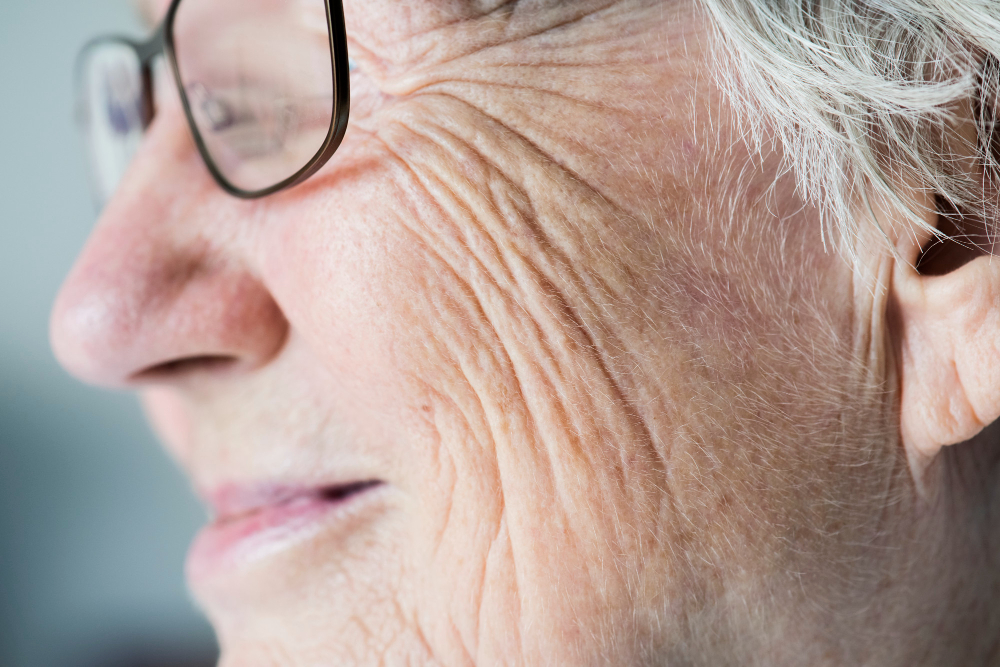
What Are Aging & Wrinkles?
Aging & wrinkles are natural parts of life. As we grow older, our skin changes. Wrinkles are small lines or folds that appear on the skin. They often show up on the face, neck, and hands. Many people want to know how to prevent wrinkles and keep their skin looking young. With the right anti-aging skincare tips, you can slow down these changes. Understanding the signs of skin aging helps you take better care of your skin.
Common Signs and Symptoms
As you age, your skin goes through many changes. Some signs are easy to spot. For example, you may notice:
In addition, your skin may feel thinner or more fragile. Sometimes, cuts or bruises take longer to heal. These are all common signs of skin aging.
Main Causes of Wrinkles
There are several reasons why wrinkles form. First, as we age, our skin loses collagen and elastin. These are proteins that keep skin firm and smooth. Second, sun exposure is a major cause of wrinkles. Ultraviolet (UV) rays break down skin fibers over time. Third, habits like smoking or drinking alcohol can speed up skin aging. Other causes include:
Because many factors play a role, it is important to protect your skin every day.
Diagnosis and When to Seek Help
Usually, wrinkles and aging signs are easy to see. However, if you notice sudden changes in your skin, it is wise to talk to a doctor. For example, if you see new spots, sores that do not heal, or changes in a mole, seek medical advice. Sometimes, these can be signs of skin problems that need treatment. A dermatologist can check your skin and suggest the best care plan.
Effective Prevention and Treatment Options
While you cannot stop aging, you can slow down wrinkles. Here are some proven ways to help:
For deeper wrinkles, some people try treatments like retinoid creams, chemical peels, or laser therapy. However, always talk to a dermatologist before starting any new treatment.
Lifestyle Tips for Healthy, Youthful Skin
Simple changes can make a big difference. For instance, wearing a wide-brimmed hat protects your face from the sun. Also, using sunglasses can help prevent squinting and eye wrinkles. Try to manage stress with exercise, meditation, or hobbies. In addition, wash your face gently and pat it dry. These small steps help keep your skin looking fresh and smooth.
Frequently Asked Questions
In summary, aging & wrinkles are natural, but you can take steps to keep your skin healthy. For the best advice on how to prevent wrinkles, consult a dermatologist for personalized care.