
Introduction
Many people notice small growths on their skin and wonder if they are warts or skin tags. Knowing the difference between warts and skin tags is important for proper care. Both are common, but they have different causes and treatments. In this blog, you will learn about wart vs skin tag, how to remove skin tags, wart treatment options, and the difference between warts and skin tags. This guide will help you understand these skin conditions and what you can do about them.
What Are Warts?
Warts are small, rough bumps that appear on the skin. They are caused by the human papillomavirus (HPV). Because this virus spreads easily, warts are contagious. You can get warts by touching someone who has them or by sharing personal items. Warts can show up anywhere, but they are common on hands, feet, and fingers. Usually, warts are painless, but sometimes they can hurt, especially on the feet.
What Are Skin Tags?
Skin tags are soft, small pieces of skin that hang off the body. They are not caused by a virus and are not contagious. Instead, they often form where skin rubs against skin or clothing. Skin tags are usually harmless and painless. They are most common on the neck, underarms, eyelids, and under the breasts. While anyone can get them, they are more common in adults and people who are overweight.
Key Differences Between Warts and Skin Tags
Although both warts and skin tags are skin growths, they are quite different. For example, warts are caused by a virus, but skin tags are not. Here are some key differences:
Because of these differences, treatment and prevention also vary.
Diagnosis How Healthcare Professionals Distinguish Between Warts and Skin Tags
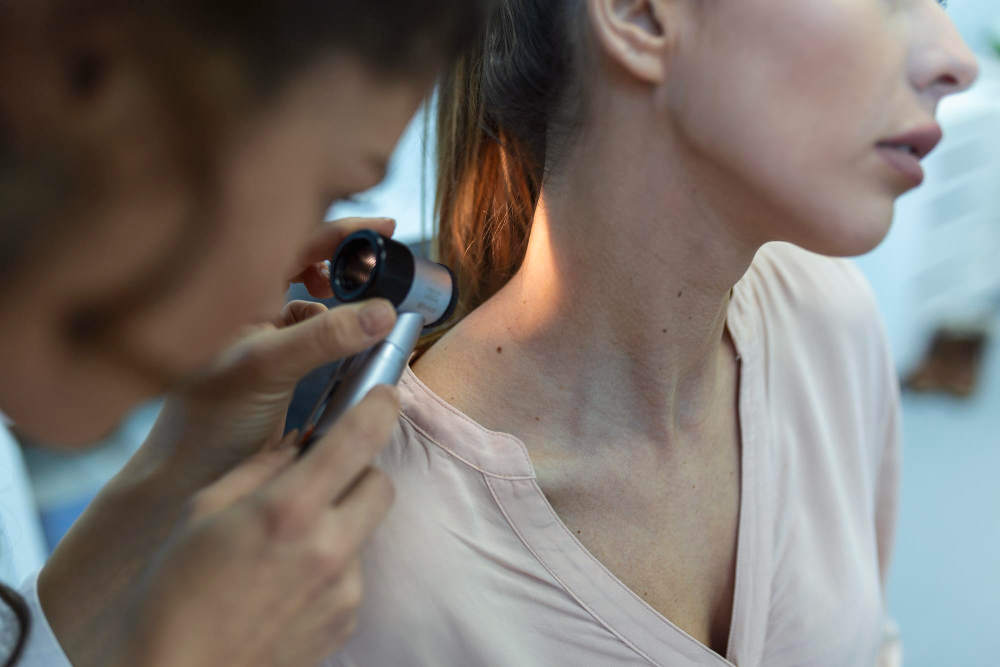
Doctors can usually tell the difference between warts and skin tags by looking at them. Sometimes, they may use a magnifying glass for a closer look. In rare cases, a small piece of the growth may be removed and checked under a microscope. This helps rule out other skin problems. If you are unsure about a skin growth, it is best to see a healthcare professional. They can give you the right diagnosis and advice.
Treatment Options Medical and Home Treatments for Both Conditions
There are several ways to treat warts and skin tags. Some people try home remedies, while others need medical help. Each method has pros and cons.
While home treatments are easy, they may not always work. Medical treatments are safer and more effective, especially for large or painful growths.
Prevention Tips Practical Advice to Reduce Risk
Even though you cannot always prevent warts or skin tags, you can lower your risk. Here are some tips:
By following these steps, you can help protect your skin.
When to See a Doctor Warning Signs and Guidance
Most warts and skin tags are harmless. However, you should see a doctor if:
Early medical advice can help rule out serious problems and guide you to the best treatment.
For safe and effective care, consult a dermatologist for personalized advice on warts and skin tags.