
Introduction
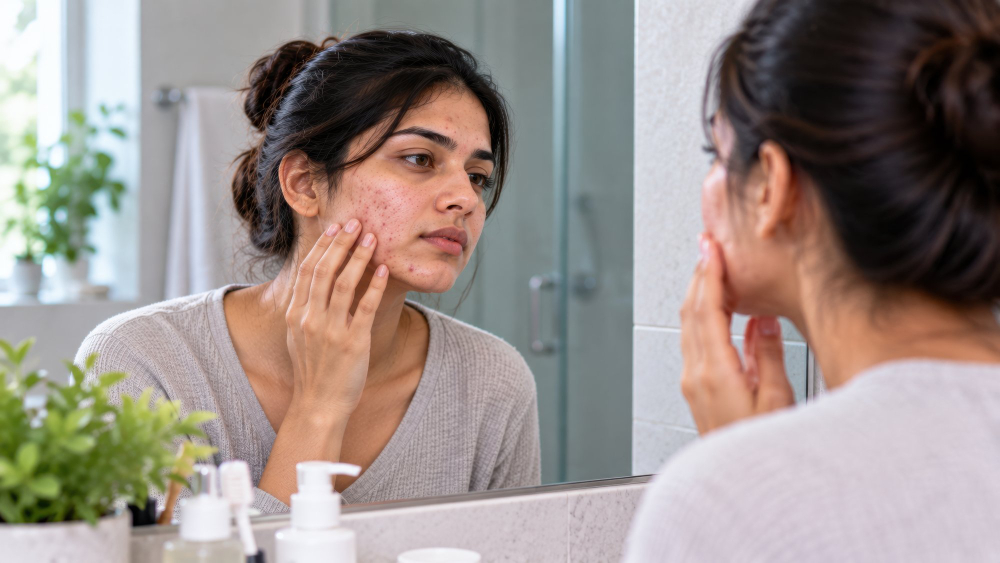
Uneven skin texture means your skin feels rough, bumpy, or patchy. Many people notice uneven skin texture on their face, arms, or legs. This can affect how your skin looks and feels. As a result, it may lower your confidence. The term “uneven skin texture” covers many skin concerns, from dry patches to acne scars. While it is common, there are ways to improve skin quality and feel better about your appearance.
Symptoms of Uneven Skin Texture
Often, uneven skin texture is easy to spot. For example, you might notice your skin feels rough or bumpy to the touch. Sometimes, you may see small bumps or dry, flaky patches. In some cases, skin can look dull or have visible pores. Other signs include:
Because these signs can appear together, it is important to pay attention to changes in your skin. If you notice new or worsening symptoms, it may be time to review your skincare routine.
Causes of Uneven Skin Texture
Several factors can lead to uneven skin texture. First, genetics play a role. Some people are born with skin that is more likely to develop bumps or rough patches. However, aging is also a common cause. As we age, skin loses collagen, which keeps it smooth and firm. Sun damage can break down collagen and cause dark spots or rough areas. In addition, acne and its scars can leave lasting marks on the skin. Dehydration makes skin dry and flaky. Environmental factors, such as pollution or harsh weather, can also harm skin quality. Even using the wrong skincare products can make texture worse.
Diagnosis of Uneven Skin Texture
Usually, you can spot uneven skin texture by touch or sight. For example, run your fingers over your skin and notice any rough or bumpy areas. Look for dry patches, scars, or spots in the mirror. While self-assessment helps, sometimes it is best to see a dermatologist. If your skin changes quickly, becomes painful, or does not improve with home care, a professional can help. Dermatologists use special tools and tests to check your skin. They may suggest treatments based on your skin type and needs.
Treatment Options for Uneven Skin Texture
There are many ways to treat uneven skin texture. For mild cases, over-the-counter creams with ingredients like retinol, vitamin C, or alpha hydroxy acids (AHAs) can help. These products smooth skin and fade dark spots. For deeper texture issues, professional treatments may work better. Some common options include:
Because every skin type is different, it is important to talk to a dermatologist before starting new treatments. They can help you choose the best option for your needs.
Lifestyle and Home Care Tips
Improving skin texture often starts at home. First, wash your face daily with a gentle cleanser. Next, use a moisturizer to keep skin soft and hydrated. Exfoliate once or twice a week to remove dead skin cells. However, avoid harsh scrubs that can irritate skin. Look for products with:
Additionally, drink plenty of water and eat a balanced diet. If you smoke or drink alcohol, try to cut back, as these habits can harm your skin. Always remove makeup before bed to prevent clogged pores. With small changes, you can see big improvements in skin quality over time.
Prevention of Uneven Skin Texture
Preventing uneven skin texture is possible with the right habits. Most importantly, use sunscreen every day, even on cloudy days. Sun protection stops damage that leads to roughness and dark spots. Also, keep your skin hydrated by drinking water and using a good moisturizer. Choose skincare products that match your skin type. Wash your face gently and avoid picking at pimples or scabs. Regularly exfoliate, but do not overdo it. Finally, stay away from harsh chemicals and always patch-test new products. With these steps, you can help keep your skin smooth and healthy.