
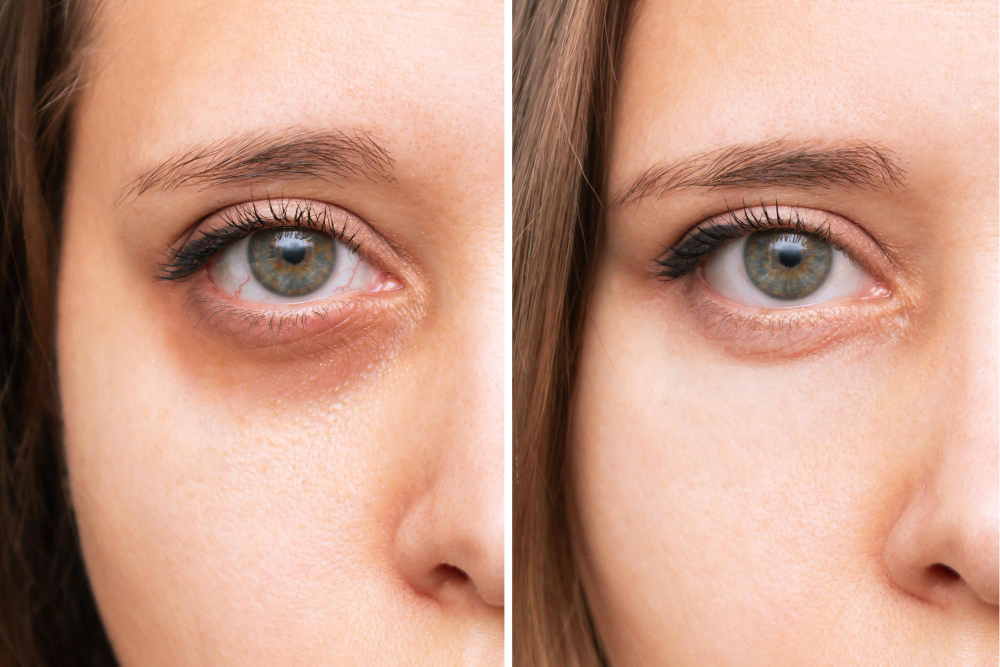
What Are Dark Circles?
Many people notice dark circles under their eyes at some point. These dark areas, also called under-eye circles, can make you look tired or older. While they are not usually a sign of a serious health problem, they can still cause worry. For some, dark circles may appear as blue, purple, or brown shadows. Others see puffiness or swelling along with the dark color. In many cities, busy lifestyles and long work hours may make dark circles more common. But with the right care, you can reduce dark circles and help your skin look brighter.
Common Causes of Dark Circles
Several things can lead to dark circles. Although some causes are easy to change, others may be linked to your genes or health. For example, people with lighter skin may notice dark circles more easily. However, anyone can get them. Here are some common causes of dark circles:
Because so many factors play a role, it helps to look at your daily habits and health.
How to Diagnose Dark Circles
Doctors can help find the cause of your dark circles. First, they will ask about your health, sleep, and family history. Next, they may look at your skin and eyes closely. Sometimes, they check for allergies or other health issues. For example, a doctor may gently press the skin to see if it changes color. In rare cases, blood tests may be needed. However, most people do not need special tests. If you notice sudden changes or pain, you should see a doctor. That way, you can rule out any serious problems and find the best treatments for dark circles.
Effective Treatments for Dark Circles
Many people want to know how to reduce dark circles. While not every treatment works for everyone, some methods have good results. According to the American Academy of Dermatology and other trusted sources, these treatments can help:
Because everyone’s skin is different, you may need to try a few options. For best results, talk to a doctor or skin care expert before starting new treatments.
Lifestyle Tips to Prevent Dark Circles
Even though some causes of dark circles are hard to avoid, healthy habits can make a big difference. For instance, drinking enough water keeps your skin looking fresh. Here are some simple tips to help prevent or reduce under-eye circles:
Because small changes can add up, try adding one or two tips to your daily routine. Over time, you may notice your dark circles start to fade.