
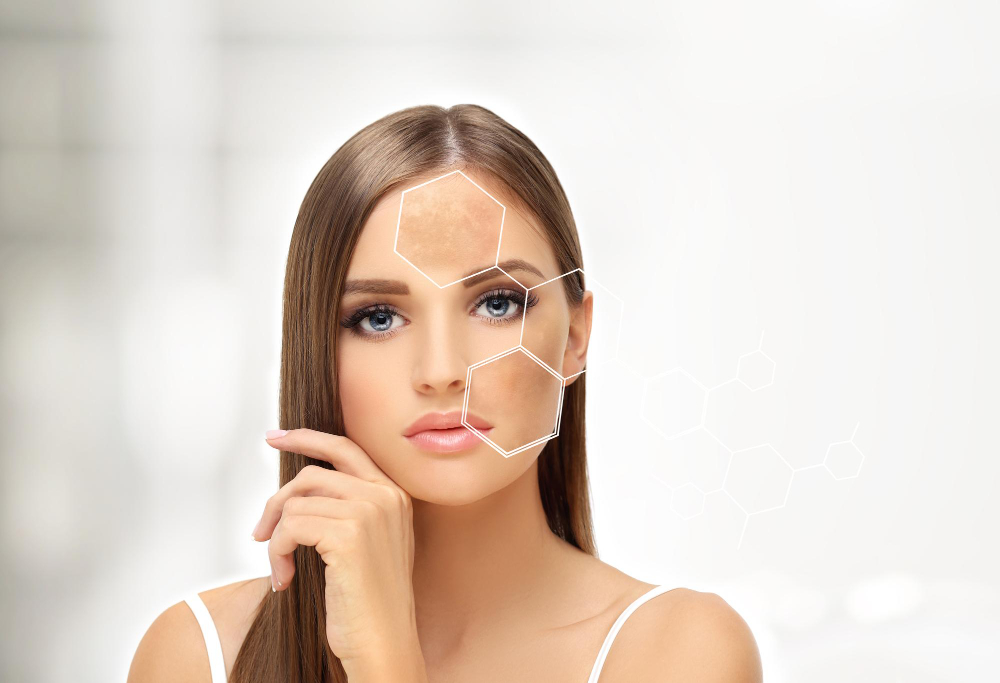
What Is Skin Pigmentation?
Skin pigmentation refers to the color of your skin. This color comes from a natural pigment called melanin. Everyone has melanin, but the amount and type can vary. As a result, skin tones differ from person to person. Sometimes, changes in melanin levels cause patches or spots. These changes are known as pigmentation issues. For many, skin pigmentation can affect confidence. However, understanding the causes and fixes can help.
Common Causes of Skin Pigmentation
Many factors can lead to changes in skin color. Knowing the causes of skin discoloration helps you find the right treatment. Here are some common reasons:
Because these causes vary, it is important to identify the reason before starting treatment.
Types of Pigmentation Issues
There are several types of skin pigmentation problems. Each type looks different and may need special care. For example, some common types include:
Since each type has unique features, a proper diagnosis is key.
Diagnosis: How Professionals Identify Skin Pigmentation
Doctors use several methods to diagnose skin pigmentation issues. First, they look at your skin and ask about your health history. Sometimes, they use a special light called a Wood’s lamp to see changes in pigment. In rare cases, a small skin sample (biopsy) may be needed. Because some conditions look similar, seeing a dermatologist ensures you get the right diagnosis. Early diagnosis helps in choosing the best skin pigmentation treatment.
Effective Fixes and Treatments for Skin Pigmentation
There are many ways to fix uneven skin tone and treat pigmentation. The right choice depends on the cause and type. Here are some options:
Because not all treatments suit everyone, a dermatologist can guide you to the safest option.
Lifestyle Tips and Prevention Strategies
Although some causes of skin pigmentation are out of your control, you can take steps to prevent or reduce problems. For example, try these tips:
Because prevention is easier than treatment, these habits can help keep your skin healthy.
Summary
In summary, skin pigmentation changes are common and often treatable. Causes range from genetics to sun exposure and medical conditions. With the right diagnosis, many treatments can help fix uneven skin tone. However, prevention and early care are key. For the best results, consult a dermatologist for personalized advice on skin pigmentation concerns.