
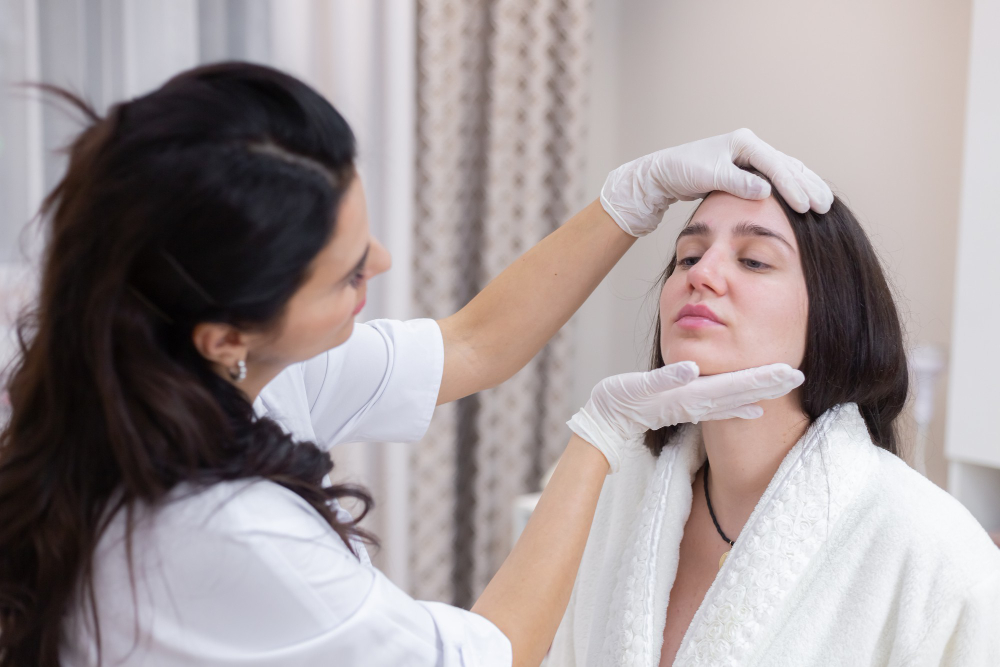
What Is Skin Tightening?
Skin tightening is a process that helps make loose or sagging skin firmer. Many people want to know how to tighten loose skin, especially as they age. While some methods use surgery, others are non-surgical and less invasive. Because skin can lose its firmness over time, skin tightening treatments are becoming more popular. These treatments aim to give you smoother, tighter skin without much downtime.
Common Causes of Skin Laxity
Skin laxity means your skin has lost its tightness or bounce. There are several reasons why this happens. For example, aging is a major cause. As you get older, your skin makes less collagen and elastin. These are proteins that keep your skin firm. In addition, other factors can lead to loose skin, such as:
Because these causes are common, many people seek the best skin tightening methods to restore firmness.
Symptoms and Signs of Loose Skin
Loose skin can appear in many ways. For instance, you might notice sagging on your face, neck, arms, or belly. Sometimes, the skin feels less elastic or looks wrinkled. In some cases, stretch marks may also appear. If you gently pinch your skin and it does not snap back quickly, this can be a sign of skin laxity. Although these changes are often harmless, they can affect your confidence.
Popular Skin Tightening Methods
There are many ways to tighten loose skin. Some are non-surgical, while others require surgery. Let’s look at the most common options:
Non-Surgical Skin Tightening
Because these methods are less invasive, many people choose non-surgical skin tightening first.
Surgical Skin Tightening
Although surgery gives dramatic results, it also comes with more risks and longer recovery.
Effectiveness and Expected Results
Skin tightening treatments can improve the look and feel of your skin. However, results depend on the method you choose. For example, non-surgical treatments often give mild to moderate improvement. You may need several sessions for the best results. On the other hand, surgical options offer more dramatic changes. But, they also require more healing time. Most people see firmer, smoother skin after treatment. Still, results are not always permanent. Over time, aging and other factors may cause new sagging.
Safety, Risks, and Side Effects
Most non-surgical skin tightening methods are safe when done by trained professionals. Common side effects include redness, swelling, or mild discomfort. These usually go away in a few days. However, surgical methods carry more risks, such as infection, scarring, or bleeding. Because every person is different, it is important to talk to a doctor before starting any treatment. According to the World Health Organization (WHO), always choose a certified clinic for your safety.
Prevention and Lifestyle Tips for Firmer Skin
While you cannot stop aging, you can take steps to keep your skin firm. For instance, you can:
Because prevention is easier than treatment, these habits can help slow down skin laxity.
When to Consult a Specialist
If you notice sudden or severe skin sagging, it is wise to see a specialist. In addition, if home care does not help, or if you want to explore the best skin tightening methods, a certified cosmetologist or dermatologist can guide you. They can suggest safe, effective treatments based on your needs. Remember, early advice can lead to better results.
For personalized skin tightening advice, consult a certified cosmetologist or dermatologist. They can help you choose the safest and most effective treatment for your skin.