
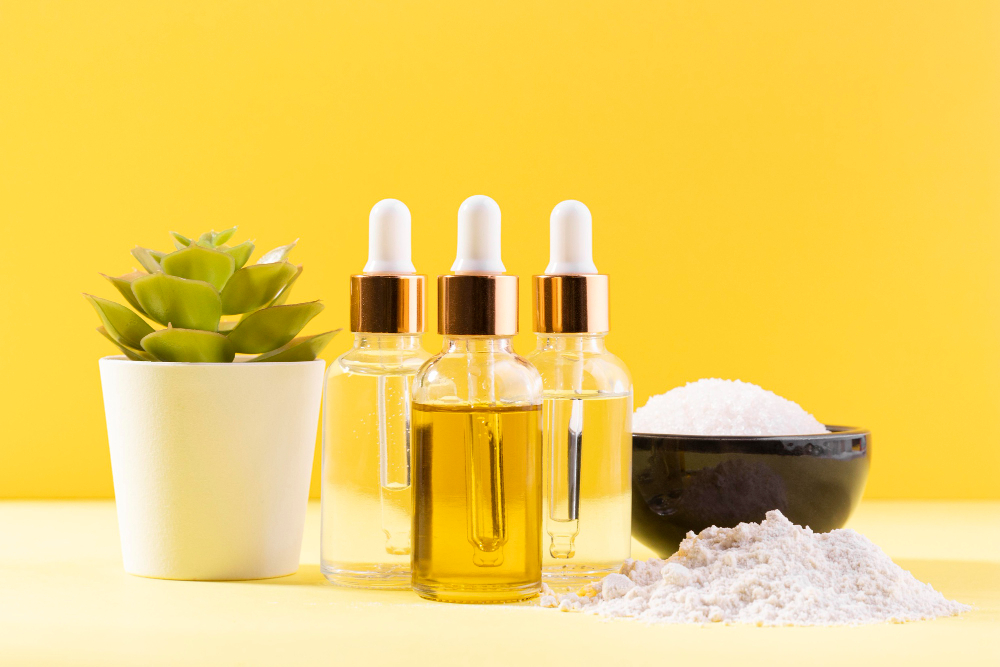
Skincare is changing fast in 2025. Next-gen skincare ingredients and serums are leading the way. These new products promise better results and safer use. Many people want glowing, healthy skin. Because of this, brands are using new acids, actives, and serums. In this blog, you will learn what’s working in 2025 and how to choose the best for your skin.
What Are Next-Gen Skincare Ingredients?
Next-gen skincare ingredients are the latest in skin science. They use new research and technology. As a result, these ingredients work better and are often safer. Some are made in labs, while others come from plants. Many are designed to target common skin problems like dryness, aging, or dark spots.
Because of these benefits, next-gen ingredients are now in many top serums and creams.
Breakthrough Acids and Actives in 2025
In 2025, several new acids and actives are making headlines. These ingredients are gentle but powerful. For example, polyhydroxy acids (PHAs) are now popular. They exfoliate the skin without causing much irritation. Also, azelaic acid is gaining attention for fighting redness and dark spots.
Because these acids and actives are gentle, more people can use them daily. According to the American Academy of Dermatology, these ingredients are safe for most skin types when used as directed.
Innovative Serums: What’s New and Effective
Serums are now smarter and more effective. In 2025, many serums use a mix of next-gen ingredients. For instance, some combine vitamin C with new antioxidants. This helps protect your skin from sun and pollution. Others use micro-encapsulation. This means the active ingredients are released slowly, so your skin gets steady benefits.
Because these serums target many skin needs at once, they save time and give better results.
How to Choose the Right Skincare Products
Choosing the right product can feel hard. However, you can make it easier by knowing your skin type. For example, if you have dry skin, look for hydrating serums. If you have oily skin, choose lightweight, oil-free options. Always check the ingredient list. Look for next-gen ingredients that match your skin needs.
Because everyone’s skin is different, what works for one person may not work for another.
Safety, Efficacy, and What to Look For
Safety is key with new skincare trends. Always patch-test a new product before full use. Look for products tested by dermatologists. Also, check for clinical studies or reviews. The World Health Organization suggests using products from trusted brands. Because some new ingredients can cause reactions, start slow and watch for any changes in your skin.
If you notice redness or itching, stop using the product and talk to a doctor.
Tips for Incorporating New Ingredients into Your Routine
Adding new ingredients to your routine can be simple. First, start with one new product at a time. This helps you see how your skin reacts. Next, use the product as directed. For example, some acids are best used at night. Also, always apply sunscreen in the morning. Because new actives can make skin sensitive, sun protection is important.
If you are unsure, ask a dermatologist for advice.
Prevention and Skin Health: Future Trends
Looking ahead, prevention is a big trend in skincare. Many new products focus on keeping skin healthy, not just fixing problems. For example, serums with antioxidants help protect skin from damage. Also, barrier creams are now popular. They help lock in moisture and keep out harmful particles.
Because of these trends, you can expect even better skincare options in the future.
For the best results, consult a dermatologist for personalized skincare advice.