
Introduction
Rosacea is a common skin condition that causes redness, bumps, and visible blood vessels on the face. Many people look for effective rosacea treatment options to control symptoms and prevent flare-ups. Although rosacea is not dangerous, it can affect self-confidence and daily life. With the right care, you can manage rosacea and enjoy healthier skin.
What Is Rosacea?
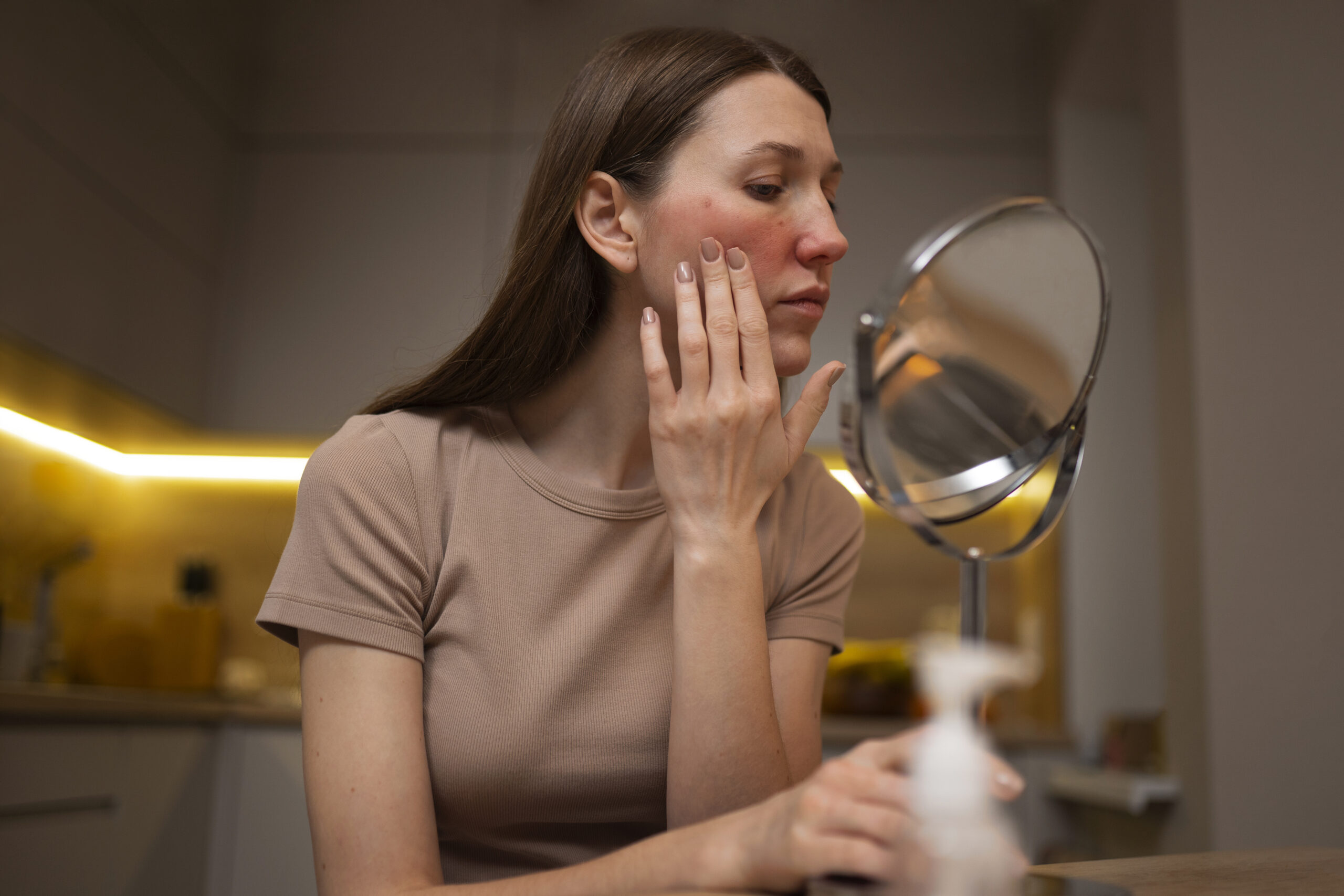
Rosacea is a long-term skin problem that mostly affects the face. It often appears as redness on the cheeks, nose, chin, or forehead. Sometimes, small red bumps or pimples develop. While anyone can get rosacea, it is more common in adults over 30 and people with fair skin. The exact cause is not known, but several factors can make it worse.
Common Symptoms of Rosacea
Rosacea symptoms can vary from person to person. However, some signs are more common than others. Look for these symptoms:
Sometimes, symptoms can get worse for a few days or weeks. These are called flare-ups.
Causes and Triggers of Rosacea Flare-ups
Doctors do not know the exact cause of rosacea. Still, certain things can trigger or worsen symptoms. Knowing your triggers can help you avoid flare-ups. Common triggers include:
Because triggers are different for everyone, it helps to keep a diary of your symptoms and what you eat or do each day.
Diagnosis: How Rosacea Is Identified
Doctors diagnose rosacea by looking at your skin and asking about your symptoms. There is no special test for rosacea. Sometimes, doctors may rule out other skin problems, such as acne or allergies. If you notice ongoing redness or bumps on your face, it is best to see a dermatologist. Early diagnosis can help you find the best rosacea treatments sooner.
Rosacea Treatment Options
There are many rosacea treatment options available today. The best rosacea treatments depend on your symptoms and triggers. Let’s look at the main choices.
Topical and Oral Medications
Doctors often start with creams or gels that you apply to your skin. These can help reduce redness and swelling. Some common topical medicines include:
For more severe cases, doctors may prescribe oral antibiotics. These help lower inflammation and clear up bumps. Sometimes, a medicine called isotretinoin is used for tough cases, but only under close doctor care.
Laser and Light Therapies
Laser and light treatments can help reduce visible blood vessels and redness. These treatments are done in a clinic by a trained professional. While results can be long-lasting, you may need several sessions. Laser therapy is often used for people who do not respond well to creams or pills.
Skincare and Lifestyle Modifications
Good skincare is key for managing rosacea. Gentle products and daily sun protection can make a big difference. In addition, making small changes to your daily habits can help prevent flare-ups. For example, avoid harsh scrubs and always use sunscreen.
How to Manage Rosacea Flare-ups
Managing rosacea flare-ups takes patience and care. However, simple steps can help you control symptoms and feel better.
Daily Skincare Tips
Avoiding Common Triggers
When to Seek Medical Help
If your symptoms get worse or do not improve with home care, see a dermatologist. Also, if you notice eye problems or pain, get medical help right away. Early treatment can prevent lasting skin changes.
Prevention and Long-term Management
While rosacea cannot be cured, you can keep it under control with the right steps. For long-term management, try these tips:
With regular care, most people can manage rosacea and reduce flare-ups.
Conclusion
Rosacea can be challenging, but many rosacea treatment options are available. By learning how to manage rosacea flare-ups and following simple skincare tips, you can improve your skin health. Consult a dermatologist for personalized rosacea treatment and management advice.