
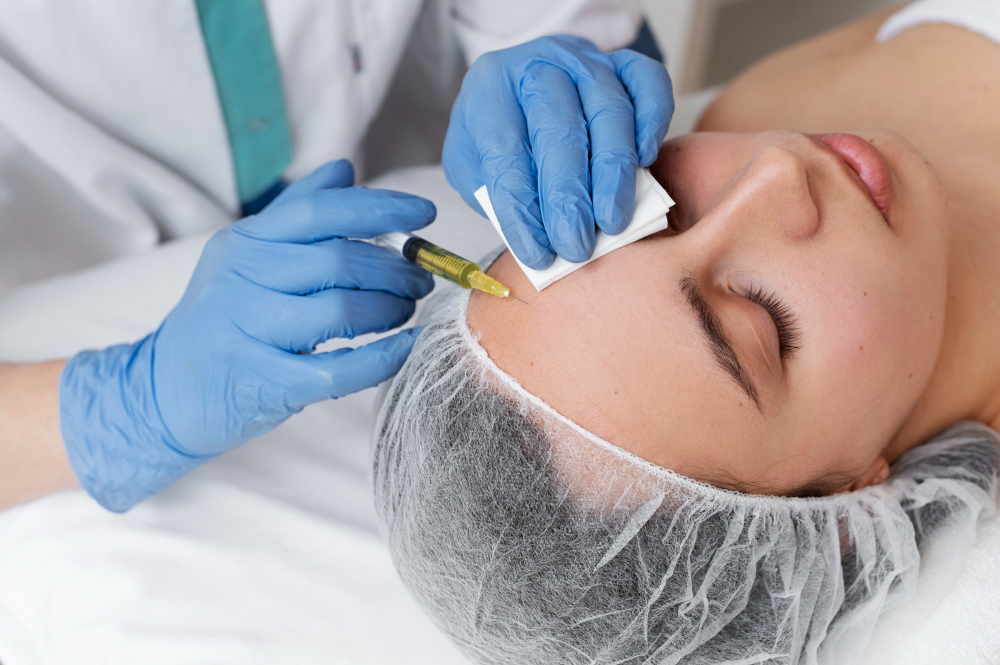
PRP for skin, also known as Platelet-Rich Plasma therapy, is a popular non-surgical skin rejuvenation treatment. Many people choose PRP for skin to improve texture, reduce fine lines, and boost natural glow. In this overview, you will learn what PRP is, how it works, its benefits, and important safety tips. If you are considering PRP for skin, this guide will help you make an informed choice.
What is PRP for Skin?
PRP stands for Platelet-Rich Plasma. It is a treatment that uses your own blood to help your skin look younger and healthier. Doctors take a small amount of your blood, process it, and then use the rich plasma part for your skin. Because it uses your own blood, PRP is a natural way to refresh your skin. Many clinics now offer PRP for skin in cities across the country.
How Does PRP Work for Skin Rejuvenation?
First, doctors draw your blood and spin it in a machine called a centrifuge. This separates the plasma, which is full of platelets. Next, they apply or inject this plasma into your skin. Platelets are tiny cells that help your body heal. When placed in your skin, they release growth factors. As a result, your skin starts to repair itself and produce more collagen. Over time, you may notice smoother, firmer, and brighter skin. According to the American Academy of Dermatology, PRP skin treatment is safe when done by trained professionals.
Benefits of PRP for Skin
PRP facial benefits are many. For example, it can:
Additionally, PRP for skin is non-surgical and uses your own blood, so there is less risk of allergic reactions. Many people choose PRP for skin because it is a gentle way to refresh their appearance.
Who is a Good Candidate for PRP?
Not everyone is the right fit for PRP skin treatment. However, you may be a good candidate if you:
Still, it is important to talk to a certified dermatologist. They can check your health and decide if PRP for skin is safe for you.
The PRP Procedure: Step-by-Step
Here is what you can expect during a PRP skin treatment:
The whole process usually takes about 45 to 60 minutes. Most people can return to normal activities soon after.
Potential Side Effects and Risks
PRP skin treatment safety is a top concern. While PRP is safe for most people, some may have mild side effects. For instance, you may notice:
These effects usually go away within a few days. Rarely, infection or allergic reaction can occur. Therefore, always choose a certified clinic for PRP for skin in your area. The World Health Organization recommends using sterile tools and trained staff for all medical procedures.
Results and Recovery
After PRP skin treatment, you may see some redness or swelling. However, this usually fades within one or two days. Most people notice smoother, brighter skin within a few weeks. For best results, doctors may suggest two or three sessions, spaced about a month apart. Results can last several months, but you may need touch-ups to maintain your glow.
Frequently Asked Questions about PRP for Skin
Prevention and Aftercare Tips
Proper aftercare helps you get the most from your PRP facial benefits. Here are some tips:
Additionally, drink plenty of water and eat a healthy diet to support skin healing. If you notice any unusual symptoms, contact your doctor right away.
In summary, PRP for skin is a safe and effective way to refresh your appearance. For personalized advice, consult a certified dermatologist about PRP for skin.